
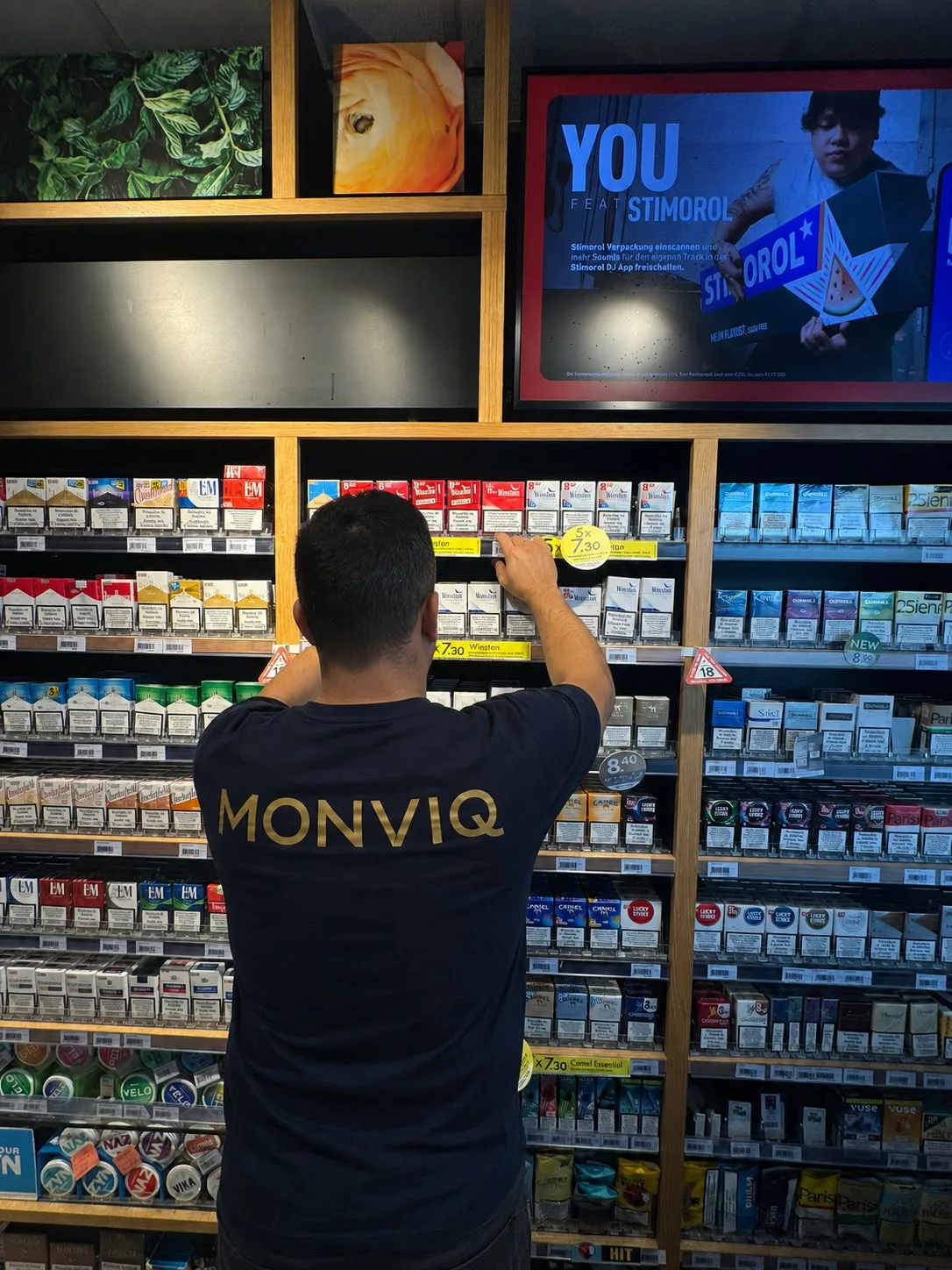
The gap is rarely caused by one dramatic failure. It grows through small losses of detail, ownership and timing.
A promotion can be approved on time, the materials can be produced correctly and the store list can be complete - yet the shopper may still see the wrong price, missing POS material or a product placed outside the agreed location.
This is the last-ten-metres problem. The commercial decision is made centrally, but execution depends on a chain of handovers: from the brand team to the project lead, from the project lead to logistics and the field, and from the field to the individual store. Every handover can remove context, delay action or create a different interpretation of the same brief.
Three questions reveal whether the chain is holding
- How quickly can you see which locations have been completed, missed or blocked?
- Can every reported exception be traced to a location, date, comment and supporting photo?
- Is there one named owner responsible for deciding what happens next?
If the answer to any of these questions is unclear, the problem is not necessarily the strategy. It is the operating system around execution.
What improves the last ten metres
The solution is usually practical: one version of the store list, a briefing that distinguishes mandatory from optional actions, a clear escalation route, consistent photo requirements and a reporting rhythm that starts while the rollout is live - not after it has finished.
The goal is not to create more reporting. It is to make the field result visible early enough for the project team to act. When evidence, ownership and timing are clear, execution stops being a matter of opinion and becomes something the business can manage.
